
WELCOME BONUS 300%
UP TO €2000 + 100
FREE SPINS
UP TO €2000 + 100
FREE SPINS
Home → Blackjack
Blackjack at Winnita Casino: Variants, Rules and Payouts
Splitting costs double bet: plan budget
The Blackjack Split rule allows players to divide a pair into two separate hands, effectively doubling the initial wager for that round. This mechanic increases the total amount at risk during the session, requiring a larger bankroll to sustain multiple simultaneous bets. Players must account for this doubled exposure when calculating their total potential loss per hand.
Resplitting Aces is typically restricted to receiving only one additional card per split Ace, limiting the strategic depth of that specific move. While standard pairs can often be resplit up to four times, the restriction on Aces prevents excessive multiplication of the stake. This limitation keeps the maximum potential liability within a manageable range for most casual players.
The Blackjack Surrender option offers a partial refund of 50% of the original stake if the player chooses to fold after the dealer checks for blackjack. This late surrender reduces the house edge by approximately 0.08 percentage points compared to games without this feature. It provides a mathematical escape route from statistically losing positions without forfeiting the entire wager.
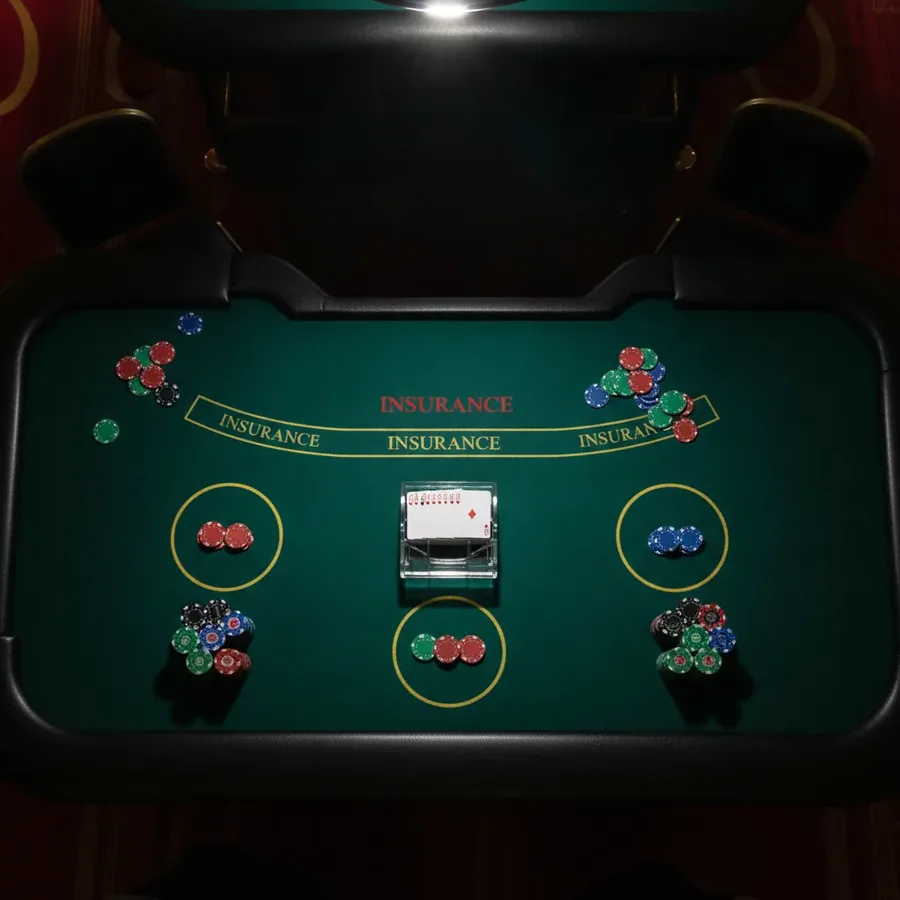
Soft 17: Dealer Hits or Stands
When the dealer hits on Soft 17, the house edge increases by exactly 0.22 percentage points compared to standing rules. This single rule change significantly impacts the long-term return to player, lowering the RTP from the optimal baseline. Players using basic strategy against H17 dealers face a higher statistical disadvantage than those playing S17 variants.
The Resplit Aces rule improves the player's position by reducing the house edge by 0.08 percentage points in its favor. Allowing players to split aces again creates more opportunities to maximize winnings from a strong starting hand. This modifier partially offsets the negative impact of other restrictive rules found in certain table configurations.
Double After Split (DAS) further enhances the player's expected value by improving the RTP by approximately 0.14 percentage points. Permitting doubles on split hands allows for aggressive betting strategies that are otherwise forbidden in stricter game versions. This flexibility is crucial for minimizing the casino's mathematical advantage over extended play sessions.
Bust at 22: Stake Lost Immediately
Infinite Blackjack by Evolution supports unlimited seats and features side bets like Any Pair with specific payout structures for various combinations. The game operates with a high betting range from 1 to 5,000 EUR, catering to both casual and high-stakes participants. Its RTP stands at 99.47%, reflecting the standard rules applied to this popular live dealer format.
Lightning Blackjack from Evolution introduces multipliers up to 25x on winning hands, adding volatility to the traditional blackjack experience. Bets range from 1 to 2,500 EUR, with the lightning features applying randomly to dealt cards. This variant maintains an RTP of 99.56%, balancing the excitement of potential big wins with standard game mechanics.
Quantum Blackjack Plus Live by Playtech offers quantum multipliers reaching 1,000x on three-card combinations totaling 21 points. With limits between 1 and 5,000 EUR, this title targets players seeking extreme variance in their gameplay. The RTP reaches 99.57% when optimal strategy is employed, making it one of the highest returning live options available.
When does the table max bet apply?
The welcome bonus terms specify a 300% match up to €2,000 plus 100 free spins for new registrants. This generous offer requires careful management of wagering requirements to convert bonus funds into withdrawable cash. Players must adhere to specific contribution rates for different game types to fulfill these conditions efficiently.
Tischspiele contribute only 10% toward the bonus wagering requirement, while slots count fully at 100%. This disparity means that playing blackjack requires ten times the volume of action compared to slot machines to clear the same bonus amount. High rollers should consider this low contribution rate when planning their bonus utilization strategy.
Blackjack Insurance pays out at 2:1 but carries a house edge of 7.47%, making it a poor long-term investment. Basic strategy dictates always declining insurance unless counting cards with a true count of +3 or higher. Relying on this side bet erodes the overall profitability of a standard blackjack session significantly.
16 vs 10 played incorrectly: most common error
A six-deck game with S17, DAS, DOA, and 3:2 payouts yields an RTP of 99.54% and a house edge of 0.46%. This configuration represents a standard benchmark for fair play, assuming strict adherence to basic strategy charts. Deviating from these optimal moves increases the casino's advantage beyond this minimal threshold.
Switching from 3:2 to 6:5 payouts adds exactly 1.39 percentage points to the house edge, raising it to 1.85%. On a $10 bet, a natural blackjack pays $12 instead of the standard $15, drastically reducing player returns. This rule change is far more detrimental to the player than any other single modification found in modern tables.
One-deck games with classic rules and 3:2 payouts offer an impressive RTP of 99.85% and a mere 0.15% house edge. Fewer decks reduce the probability of drawing unfavorable cards, giving the player a significant mathematical advantage. However, casinos often compensate for this benefit by introducing restrictive rules like 6:5 payouts elsewhere.
Blackjack variants at a glance
| Variant | Payout | House edge | Rule | Bet range |
|---|---|---|---|---|
| Blackjack Auszahlung 6:5 statt 3:2 (6 Decks) | 98.15% | 1.85% | Ersatz von 3:2 durch 6:5 fügt exakt +1.39 Prozentpunkte zum Vorteil des Casinos hinzu – stärker als jede andere Regeländerung. Bei $10 Einsatz zahlt Blackjack $12 statt $15. | Blackjack 6:5, Gewinn 1:1 |
| Blackjack Split / Double / H17 – Regel-Effekte | n.a. (Regel-Modifikatoren) | H17 +0.22 Prozentpunkte; RSA −0.08 Prozentpunkte; DAS −0.14 Prozentpunkte | Dealer Hits Soft 17 verschlechtert RTP um 0.22 Prozentpunkte; Resplit Aces verbessert um 0.08 Prozentpunkte; Double After Split verbessert um ca. 0.14 Prozentpunkte; 6 Decks statt 8 – ca. 0.02 Prozentpunkte. | Double – Einsatz ×2 mit einer Karte; Split – bis 4 Hände; Ass-Split meist mit einer Karte. |
| Blackjack Ein Deck, klassische Regeln, 3:2 | 99.85% | 0.15% | Weniger Decks = niedrigerer Vorteil; ein Deck gibt ca. −0.48 Prozentpunkte gegenüber 8 Decks. Oft durch 6:5 Auszahlung kompensiert. | Blackjack 3:2, Gewinn 1:1 |
| Blackjack Liberal Vegas Strip (liberale Regeln, 3:2) | 99.72% | 0.28% | Günstigste Regelkombination: S17 + DAS + Resplit + Late Surrender. Standardabweichung 1,15 | Blackjack 3:2, Gewinn 1:1 |
| Blackjack Surrender (Late Surrender) – Regel-Effekt | n.a. (Regel-Modifikator) | −0.08 Prozentpunkte | Spieler gibt Hand nach Dealer-Blackjack-Prüfung auf, verliert die Hälfte des Einsatzes. Verbessert RTP um ca. 0.08 Prozentpunkte. Early Surrender ist wesentlich wertvoller (bis −0.6 Prozentpunkte), aber extrem selten. | Rückzahlung 50% des Einsatzes |
| Blackjack 6 Decks, S17, DAS, DOA, Auszahlung 3:2, Basisstrategie | 99.54% | 0.46% | Dealer steht auf Soft 17; Verdopplung auf jeder Zweierkarte; Verdopplung nach Split erlaubt; keine Aufgabe. Basisstrategie ist für diesen Wert zwingend | Blackjack 3:2, normaler Gewinn 1:1, Insurance 2:1 |
Which table limits suit 20 EUR balance?
Infinite Blackjack from Evolution accepts minimum bets starting at 1 EUR, which fits a 20 EUR bankroll allowing for twenty initial hands. This limit is significantly lower than Quantum Blackjack Plus Live, where Playtech sets the floor at 1 EUR but caps the maximum wager at 5,000 EUR for high rollers. A player can survive variance better on Infinite Blackjack due to its broader seating capacity and standard betting flexibility.
Lightning Blackjack by Evolution requires a minimum stake of 1 EUR, enabling a balanced approach for small deposits up to a 2,500 EUR maximum per hand. The game features lightning multipliers reaching up to 25x on winning hands, adding volatility that exceeds standard RNG tables. Players with limited funds must manage risk carefully, as the side bets associated with these multipliers drain balances faster than base gameplay.
The maximum bet of 2,500 EUR on Lightning Blackjack contrasts sharply with the 5,000 EUR limit on both Quantum Blackjack Plus Live and Infinite Blackjack. Higher limits cater to VIP players, while the lower cap on Lightning Blackjack suits casual users testing strategies with smaller capital. Understanding these thresholds helps players select tables that align with their specific deposit size and risk tolerance levels.
Blackjack doesn't count for every bonus offer
Table games contribute only 10% toward the wagering requirement for the 300% welcome bonus up to 2,000 EUR plus 100 free spins offered by Winnita Casino. In contrast, slots contribute 100%, meaning blackjack wagers require ten times more volume to clear the same bonus amount compared to slot play. This restriction makes clearing bonuses via blackjack mathematically inefficient for most recreational players seeking quick withdrawals.
RTP variations among blackjack variants further complicate bonus clearance, with Blackjack 6 Decks offering a house edge of 0.46% versus 1.85% for the 6:5 payout version. Lower edges reduce expected loss during wagering, but the 10% contribution rate negates this advantage entirely when comparing against slots. Players should calculate total turnover needs based on the specific game's contribution percentage before depositing.
Live dealer options like Quantum Blackjack Plus Live maintain an RTP of 99.57% under optimal strategy, yet still fall under the restrictive 10% table game category. Insurance bets, paying 2:1, carry a separate house edge of 7.47% and are generally discouraged in basic strategy except when counting cards. Using these high-edge side bets accelerates bankroll depletion without contributing efficiently to bonus requirements.
Even Money only possible with Dealer Ace
Insurance is a side bet available when the dealer shows an Ace, paying 2:1 if the dealer has a natural blackjack. This bet reduces the overall return because the house edge reaches 7.47% for six to eight deck shoes, making it unfavorable for long-term play. Basic strategy dictates always rejecting insurance unless the true count exceeds +3 in card counting scenarios.
Single deck blackjack offers a slightly better insurance scenario with a house edge of approximately 5.88%, though still negative for standard players. The distinction between single and multi-deck shoes affects probability calculations, with fewer decks increasing the likelihood of the dealer holding a ten-value card. Even so, the mathematical expectation remains positive for the casino, discouraging reliance on this option.
Some players confuse even money with standard insurance payouts, but even money is essentially taking insurance on a natural blackjack to guarantee a push against dealer ace-up. This concept applies specifically when the dealer shows an Ace, locking in a 1:1 payout regardless of the dealer's hole card. It eliminates variance but sacrifices potential upside if the dealer does not have blackjack.
Double Down vs Simple Hit on 11
Doubling down on a hard 11 allows players to double their initial wager for one additional card, maximizing profit potential against weak dealer upcards. Rules permitting Double After Split (DAS) and doubling on any two cards significantly improve the RTP, reducing the house edge to 0.46% in the 6-deck variant. This strategic move is crucial for minimizing the casino's advantage over the long run.
Hitting on 11 instead of doubling leaves value on the table, as statistical analysis favors the doubled bet in nearly all dealer upcard scenarios. The rule effect of allowing DAS improves RTP by approximately 0.14 percentage points, highlighting the importance of liberal doubling rules. Players sticking to simple hits miss out on these mathematical optimizations required for optimal play.
Resplitting Aces (RSA) adds another layer of complexity, improving RTP by 0.08 percentage points by allowing multiple hands from split aces. While hitting is mandatory on soft hands depending on the dealer, doubling on hard totals like 11 remains a core strategic pillar. Adhering to these rules ensures the player maintains the lowest possible house edge across different game variants.
Live Table vs RNG Table: Speed and Limits
RNG blackjack variants like the 6-deck game operate continuously with no waiting time, allowing hundreds of hands per hour for rapid bonus turnover. Live tables such as Infinite Blackjack accommodate unlimited players but deal at a slower pace determined by the dealer and physical card shuffling. This speed difference impacts how quickly players can meet wagering requirements or test strategies in real-time environments.
Betting limits on live tables often exceed RNG counterparts, with Quantum Blackjack Plus Live capping bets at 5,000 EUR compared to standard RNG limits. Lightning Blackjack introduces unique mechanics with multipliers up to 25x, adding excitement but also higher variance compared to static RNG outcomes. Players seeking high-stakes action may prefer live tables, while those prioritizing speed might choose RNG versions.
Side bets in live games like Any Pair or 21+3 offer varied payouts but carry higher house edges than the main game. RNG games typically focus on pure strategy with minimal side bet distractions, whereas live dealers integrate visual effects and interactive elements. The choice between live and RNG depends on whether a player values social interaction and spectacle over pure efficiency and control.
How long does a Live Blackjack round take?
Lightning Blackjack from Evolution operates with stakes ranging from 1 to 2,500 EUR and delivers an RTP of 99.56 percent while featuring multipliers up to 25x on winning hands. The game accommodates unlimited players at the table, which influences the speed of decision-making and the overall duration of each gaming session for every participant involved. This structure ensures that the average round length remains consistent regardless of the number of active users competing for the same prize pool simultaneously. Players must act quickly to secure these high-value multipliers before the dealer concludes the hand and distributes the payouts accordingly.
Quantum Blackjack Plus Live by Playtech allows bets between 1 and 5,000 EUR with an RTP of 99.57 percent when optimal strategy is applied consistently throughout the gameplay. Quantum multipliers reach up to 1,000x on three-card combinations totaling 21 points, creating intense moments that extend the perceived duration of each individual round significantly. The requirement for precise strategic execution means players spend more time analyzing their cards compared to standard tables, thereby increasing the total time invested per session considerably. This extended engagement is offset by the potential for massive returns that justify the additional time commitment required from dedicated blackjack enthusiasts everywhere.
Infinite Blackjack offered by Evolution supports wagers from 1 to 5,000 EUR and provides an RTP of 99.47 percent alongside four distinct side bet options like Any Pair or Bust It. The table features unlimited seating arrangements, allowing for continuous play without waiting periods that typically slow down traditional casino floor operations during peak hours effectively. Each round involves multiple decision points due to the available side bets, which adds complexity and slightly increases the overall time spent per hand dealt by the dealer. Consequently, the game offers a steady pace that balances speed with strategic depth for all participants seeking a reliable live experience daily.
Side Bets Increase House Edge to 5 Percent
Blackjack Insurance in games using six to eight decks carries an RTP of 92.53 percent and imposes a house edge of 7.47 percent against the player base significantly. This side bet pays 2:1 but is strictly advised against by basic strategy unless the true count reaches plus three or higher during card counting scenarios specifically. Accepting this wager reduces the overall return to player percentage because the statistical advantage shifts firmly toward the casino operator over the long term reliably. Players who ignore this advice will see their bankroll diminish faster than those who stick to the mathematically optimal decisions for every single hand played.
The side bets available in Infinite Blackjack include Any Pair, 21+3, Hot 3, and Bust It, which are accessible alongside the main game with stakes up to 5,000 EUR. While the main game RTP stands at 99.47 percent, adding these specific wagers alters the expected value negatively due to their inherent mathematical disadvantages built into the rules. Each side bet introduces a separate house edge that compounds with the primary game, pushing the total cost of play upward for anyone attempting to win big through luck alone. Understanding these odds is crucial before placing any chips on the designated areas of the digital layout presented by the software provider.
Lightning Blackjack from Evolution features Lightning Multipliers up to 25x on winning hands within a framework that maintains an RTP of 99.56 percent for the core game. However, engaging with any associated side mechanisms or bonus features can alter the effective house edge depending on how frequently these high-variance events trigger during play sessions. The presence of such multipliers creates volatility spikes that deviate from the standard deviation of 1.15 found in Liberal Vegas Strip variants where rules are more favorable. Players must weigh the excitement of potential 25x wins against the reality that most rounds will result in standard payouts without these rare multiplier activations occurring at all.
Six Card Charlie Pays Immediately with Six Cards
Liberal Vegas Strip Blackjack utilizes liberal rules including S17, DAS, Resplit, and Late Surrender to achieve an impressive RTP of 99.72 percent with a house edge of only 0.28 percent. Standard deviations sit at 1.15 for this variant, indicating moderate volatility compared to other table games available on modern online platforms for serious gamblers today. Nevertheless, the low house edge makes this variant one of the most profitable options for players who master basic strategy and manage their bankroll wisely over time.
Quantum Blackjack Plus Live by Playtech offers an RTP of 99.57 percent with stakes ranging from 1 to 5,000 EUR and multipliers up to 1,000x on three-card twenty-one combinations. The game's design focuses on rewarding specific card combinations rather than achieving unusual hand counts like six cards, shifting the strategic focus away from accumulation toward optimization. Players should prioritize hitting twenty-one with three cards to trigger the maximum quantum multiplier effect which defines the unique appeal of this evolution-style product offering.
Infinite Blackjack from Evolution provides an RTP of 99.47 percent with unlimited seats and stakes up to 5,000 EUR, featuring side bets like Hot 3 and Bust It for added variety. The absence of a six-card charlie rule in the described parameters means players must rely on traditional strategies and the available side bets to enhance their winning potential effectively. Side bets introduce additional house edges that can exceed five percent, drastically altering the expected return compared to the base game's nearly ten percent RTP advantage retention. Understanding these distinctions helps players choose whether they prefer the stability of the main game or the high-risk, high-reward nature of the supplementary betting options provided.
How long do 100 EUR last at a 1 EUR table?
Playing Liberal Vegas Strip Blackjack with a 1 EUR stake and a house edge of 0.28 percent means the theoretical loss rate is extremely low for every hundred euros wagered. With an RTP of 99.72 percent, players can expect to retain nearly all of their initial bankroll over a large number of hands if they adhere strictly to basic strategy guidelines. Assuming an average of sixty hands per hour, the 100 EUR bankroll could theoretically sustain play for several hours before the mathematical expectation depletes the funds completely through variance. This longevity makes the game suitable for casual players looking to maximize entertainment value per euro spent without risking rapid financial loss during short sessions.
In contrast, playing Blackjack Insurance with a 1 EUR stake incurs a much higher house edge of 7.47 percent and an RTP of only 92.53 percent against the player base. Taking insurance on every hand where the dealer shows an ace would drain a 100 EUR bankroll significantly faster than playing the main game without this detrimental side wager. The negative expected value of -7.47 percent implies that for every 100 EUR bet on insurance, the player loses approximately 7.47 EUR on average over the long term consistently. Avoiding this bet preserves the bankroll far better, allowing the 1 EUR stake to last longer across many more hands compared to accepting unfavorable odds blindly.
If a player were to encounter a variant paying 6:5 instead of 3:2, the house edge jumps to 1.85 percent with an RTP of 98.15 percent for six-deck games. This increase in the house advantage means that a 100 EUR bankroll at a 1 EUR stake would be depleted roughly seven times faster than in a 3:2 paying game with similar conditions. The difference in payout structure directly impacts the sustainability of small stakes, making the choice of table rules critical for preserving capital during extended gambling sessions effectively. Players must verify the payout ratio before sitting down to ensure their 100 EUR lasts as long as possible under optimal circumstances.
Bet two percent of bankroll per hand
Adopting a betting strategy of wagering two percent of the bankroll per hand aligns well with the low house edge of 0.28 percent found in Liberal Vegas Strip Blackjack. For a 100 EUR bankroll, this approach limits each bet to 2 EUR, reducing exposure to variance while still maintaining meaningful stakes that contribute to the overall gaming experience meaningfully. The standard deviation of 1.15 suggests that even with conservative betting, short-term fluctuations can occur, but the low edge ensures gradual erosion rather than sudden depletion of funds. This methodical approach protects the player from ruin while maximizing the potential for prolonged playtime at the table throughout the evening session.
When considering Quantum Blackjack Plus Live with stakes from 1 to 5,000 EUR and an RTP of 99.57 percent, betting two percent of a 100 EUR bankroll results in a 2 EUR wager per hand. The high multiplier potential up to 1,000x on three-card twenty-one combinations offers occasional large wins that can replenish the bankroll despite the small regular bet size. However, the variance associated with these high-paying combos means that streaks of losses are possible, making the two percent rule essential for surviving dry spells without going broke quickly. This disciplined betting size ensures that the player remains in the game long enough to benefit from the rare but lucrative multiplier events that define this specific title.
Infinite Blackjack from Evolution features an RTP of 99.47 percent and allows bets up to 5,000 EUR, making a two percent bankroll rule equally applicable for a 100 EUR starting amount. Betting 2 EUR per hand keeps the risk manageable while allowing participation in the unlimited seat environment where multiple side bets like Any Pair or Bust It are available. These side bets carry higher house edges, so sticking to the base game with a modest 2 EUR stake prevents the cumulative impact of poor side bet choices from wiping out the bankroll rapidly. Consistency in bet sizing helps maintain control over losses and extends the duration of play significantly compared to erratic betting patterns used by inexperienced gamblers.
Contact
Live - online chat
Banking









Providers












Winnita Casino 2026